

Spots and old pigmentation in Puerto Banús, Marbella
Treatment of long-standing skin spots, such as sun or age spots, to aim for a more even tone. Every spot is first examined in consultation: the doctor confirms what it is before suggesting any treatment.
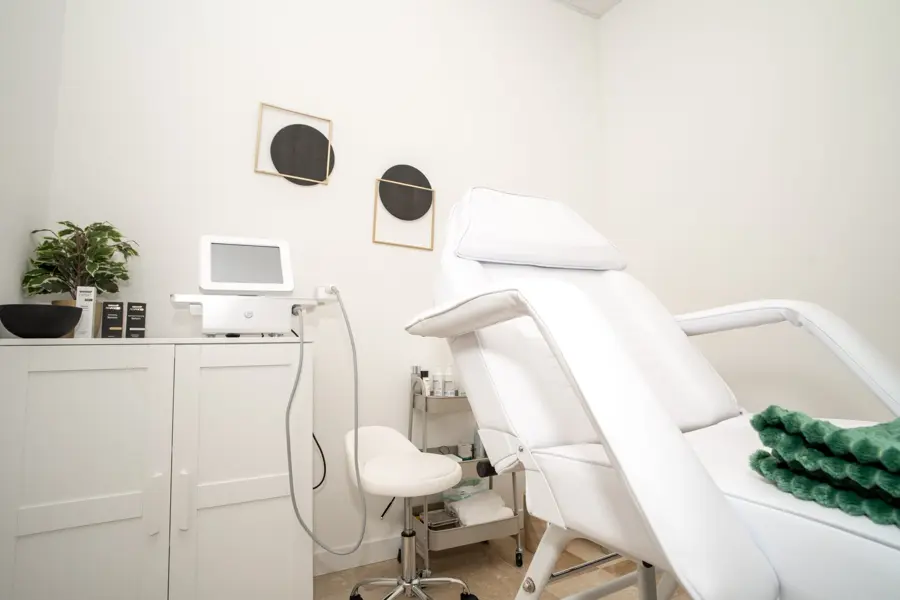
What does it involve?
Depending on the type of pigment and its depth, the doctor may use a laser, intense pulsed light (IPL) or a chemical peel. With light, the energy is absorbed by the pigmented areas, which break down and are gradually cleared by the body.
A spot may improve from the first session, but several are usually needed, and the result varies from person to person. The sun can darken spots or bring out new ones, so sun protection is part of the treatment.
«Are there cases where you decide not to treat a patient? Why?»
What it addresses
Face
Sun or age spots on the face.
Hands
An area exposed to the sun for years.
Neck and neckline
Pigment built up on exposed areas.
A more even tone
Soften the contrast between the spot and the surrounding skin.
What it costs
Indicative prices including VAT. We confirm the plan and the quote in writing before we start.
How it goes
Consultation and diagnosis
The doctor examines your skin or the lesion, reviews your history and medication, and tells you whether the treatment is right for you. If a lesion needs further tests, we tell you first.
Preparation
We clean the area and, depending on the treatment, apply a cooling gel or an anaesthetic cream. With laser or pulsed light, you wear protective glasses throughout the session.
Session
We apply the device to the area with settings adapted to your skin. You may feel warmth or tingling; the sensation varies from person to person.
Afterwards
Redness or slight swelling is common and generally short-lived. Avoid direct sun, use high-factor sun protection on the area and follow the instructions we give you for the following days.
Good to know
The doctor assesses in consultation whether the treatment is right for you. As a rule it is not performed during pregnancy, on tanned or recently sun-exposed skin, or if there is an infection or a wound in the area. Some medicines make the skin more sensitive to light: please tell us about all your medication, allergies and previous treatments, any tendency to keloid scars or to dark marks after inflammation, and whether you have a pacemaker or another implant.
Your questions
Can any spot be treated?
No. Every spot is examined before any treatment. If a lesion needs further tests, the doctor tells you and it is not treated at that visit.
How many sessions are needed?
It depends on the extent and depth of the pigment. A series of sessions is usual; the doctor gives you an indicative plan after examining your skin.
Can the spot come back?
Yes, especially without sun protection: spots can darken again or new ones can appear. Daily skincare and sun protection help maintain what has been achieved.
Can I carry on with my day?
Generally yes. The area may stay slightly red or darker for a few days before it lightens. Avoid direct sun and follow the doctor’s advice.
More questions


Let’s talk about your case
Write to us on WhatsApp: we reply in your language and suggest an appointment.
Book a consultation